In Pakistan, filing your income tax return on time is not just a civic responsibility—it’s a financial advantage. The Federal Board of Revenue FBR (https://fbr.gov.pk/) maintains a public list called the Active Taxpayers List (ATL), which distinguishes active filers from non-filers and late filers. Being a late filer in Pakistan can cost you more than you might expect, from higher withholding taxes to potential penalties.
This blog explains in detail who a late filer is, the implications of late filing, how to avoid penalties, and how to regain your status as an active filer on the FBR’s ATL.
Who Is a Late Filer in Pakistan?
A late filer is a person who submits their income tax return after the official due date set by the FBR—usually 30th September of every tax year (sometimes extended by FBR (https://fbr.gov.pk/) through official notifications).
If your return is submitted after the due date, you are still considered to have filed, but you will not be included in the ATL immediately. Instead, your name will appear only after paying a surcharge and fulfilling certain compliance requirements.
In short:
Active Filer: Filed within due date (appears in ATL automatically).
Late Filer: Filed after due date (appea rs in ATL only after paying surcharge).
Non-Filer: Has not filed at all.
Why Does Filer Status Matter?
The filer status is more than just a title—it directly impacts your financial transactions and tax liabilities. FBR https://fbr.gov.pk/ has designed a system where non-filers and late filers pay significantly higher withholding taxes compared to active filers.
For example:
Bank Transactions: Non-filers pay higher tax on cash withdrawals.
Vehicle Purchase/Registration: Additional tax applies to non-filers.
Property Transactions: Non-filers are charged extra tax on buying or selling property.
Dividends and Profits: Higher tax deduction for non-filers.
Thus, being a late filer temporarily removes you from the Active Taxpayers List, which can make many of your financial dealings more expensive.
Penalties and Consequences of Late Filing
If you file your return after the deadline, the following consequences apply:
Penalty under Section 182 of the Income Tax Ordinance, 2001: A late filer may face a penalty of 0.1% of the tax payable for each day of default, subject to a minimum penalty of Rs. 40,000 for companies and Rs. 20,000 for individuals. However, if no tax is payable, the penalty may be reduced.
Surcharge for ATL Inclusion: To reappear in the ATL, late filers must pay a surcharge along with the return. The surcharge rates (as of FBR rules) are:
Rs. 1,000 for individuals.
Rs. 10,000 for Associations of Persons (AOPs).
Rs. 20,000 for companies.
Ineligibility for Certain Benefits: Late filers may temporarily lose eligibility for tax exemptions, rebates, and reduced rates available only to active filers.
Business Disadvantages: Companies often avoid working with non-filers and late filers to minimize withholding complications, which can limit business opportunities.
How to Become an Active Filer Again
If you have missed the filing deadline, don’t worry. You can still become active by following a few simple steps:
Pay the ATL Surcharge: After filing, generate a payment challan (PSID) for the ATL surcharge in your IRIS profile. Pay it through any bank’s online app or ATM.
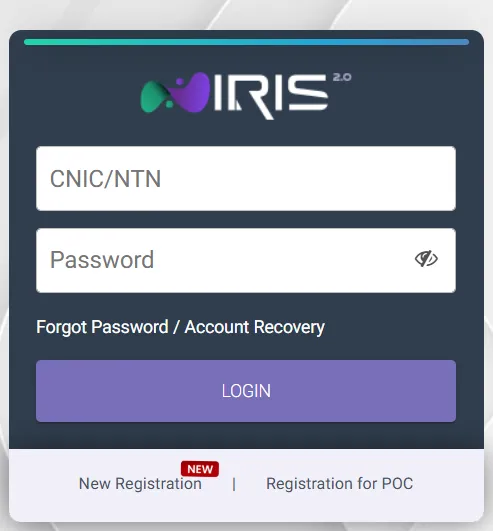
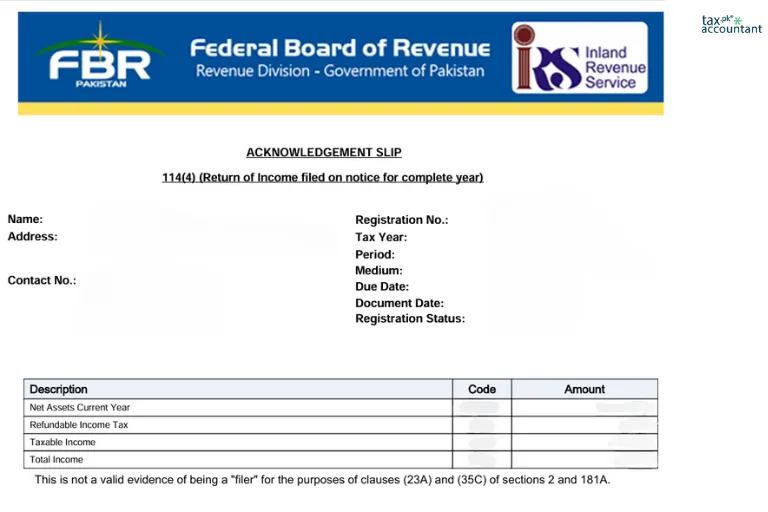
File Your Income Tax Return: Login to your IRIS account (https://iris.fbr.gov.pk/) on the FBR portal, and file your tax return along with your wealth statement and income details.
Wait for ATL Update: Once the surcharge is paid, your name will appear in the next update of the Active Taxpayers List, usually updated weekly or monthly.
Stay Updated with FBR Notices: Always check your IRIS inbox or registered email for any pending notices or deficiencies in your return.
How to Avoid Becoming a Late Filer
To ensure you remain an active filer every year, follow these best practices:
Mark Calendar Reminders: Note FBR’s annual deadline (usually 30th September).
Gather Documents Early: Collect salary certificates, bank statements, utility bills, and expense records in advance.
Use a Tax Consultant or Service: Platforms like TaxAccountant.pk (https://taxaccountant.pk/) or any other professional tax consultants can help ensure timely filing.
File Even if Income Is Low: Even zero-income taxpayers should file to stay in ATL.
Check ATL Status Regularly: Use FBR ATL Checker to confirm your status.
Benefits of Being an Active Filer
Remaining on the ATL offers multiple advantages:
Lower tax rates on financial transactions.
Reduced tax on vehicle and property dealings.
Better business credibility.
Easy visa and financial processing for international dealings.
Avoidance of late filing penalties and surcharges.
Being an active filer shows you are a responsible and compliant taxpayer—a small step with big financial benefits.
Conclusion
Being a late filer in Pakistan can be costly, but it’s also reversible. Whether you missed the deadline by mistake or due to lack of awareness, the FBR provides clear pathways to restore your active status. By filing on time, paying the ATL surcharge if needed, and keeping your records updated, you can enjoy the financial and legal advantages of being an Active Tax Filer.
Umair A R Mughal is a unique professional who seamlessly blends the worlds of technology, finance, and regulatory compliance. With a solid foundation as a Chartered Accountant and a passion for technology, Umair offers comprehensive solutions that cater to the evolving needs of businesses in Pakistan.