
Whether you’re taxed on your worldwide income or only on your Pakistan-source income comes down to one test under the Income Tax Ordinance: how many days you spent physically present in Pakistan during the tax year. Overseas Pakistanis often assume their NICOP or overseas status automatically makes them a “non-resident” for tax purposes — it doesn’t. Only the day-count test does.
The Residency Test That Actually Matters
Under Section 82, you’re a resident individual for a tax year if you’re present in Pakistan for 183 days or more in that tax year, or you meet certain other conditions tied to government service abroad. Spend fewer than that, and you’re generally treated as a non-resident for that year — regardless of your passport, NICOP, or where your family lives.
What Changes for Non-Residents
A non-resident individual is taxed only on Pakistan-source income — rental income from property in Pakistan, profit on Pakistani bank deposits, capital gains on Pakistani securities or property, and similar. Foreign salary, foreign business income, and foreign investment income earned outside Pakistan generally fall outside FBR’s reach for a genuine non-resident.
Filing Obligations Don’t Disappear
Being a non-resident doesn’t mean you’re exempt from filing. If you have Pakistan-source income above the taxable threshold, or if you want to be treated as a filer (to avoid higher withholding rates on property transactions or banking, for example), you still need to file a return declaring your Pakistan-source income.
Common Misunderstandings
Two mistakes come up repeatedly: assuming that holding foreign citizenship or an overseas Pakistani card exempts you from the residency test, and assuming that being a “non-filer” is fine because you live abroad. Non-filer status still means higher withholding tax on any Pakistan transactions you do make — property purchases, banking, vehicle registration — so many overseas Pakistanis file anyway purely to access filer rates.
Dual Residency and Tax Treaties
If you’re also considered a tax resident in your country of residence, Pakistan’s tax treaties with many countries provide relief from double taxation on the same income, usually through a tax credit or exemption mechanism. Which treaty article applies depends on the specific country and income type, so this is worth getting professional advice on rather than assuming automatic relief.
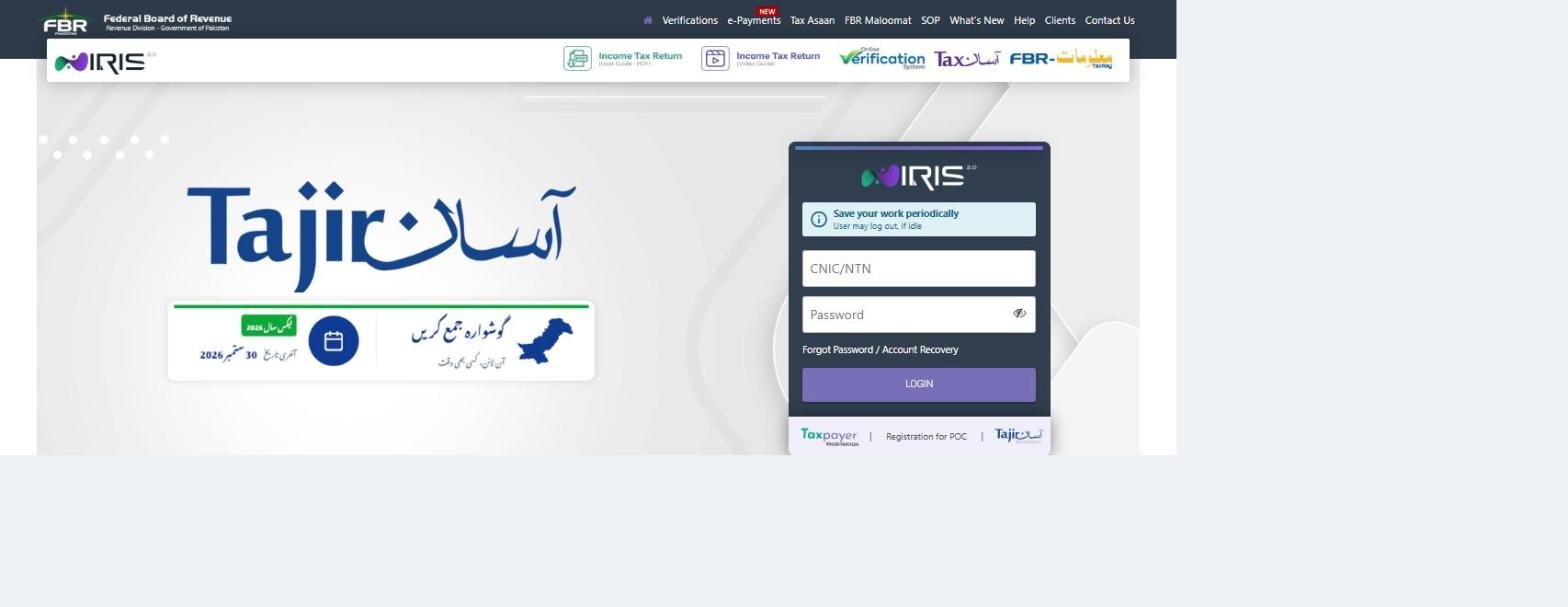
If you’re deciding which return form to file, see our salary vs normal return guide. To check the current residency rules and file online, visit the FBR IRIS portal directly.
Frequently Asked Questions
Overseas Pakistanis may also need a Tax Residency Certificate (TRC). We also help with a UK tax return filed from Pakistan.